Ordering Well: A Dining Playbook for Russian-Speaking Companion Appointments in 2026
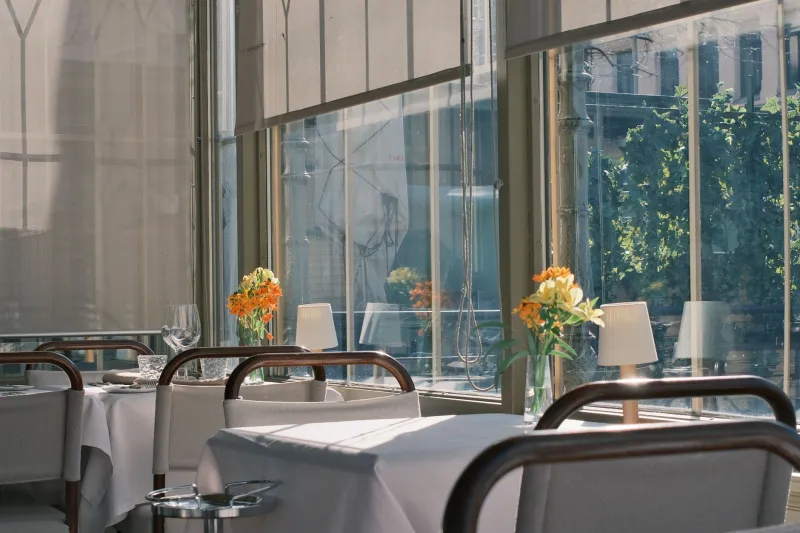
A dining reservation is one of the most useful tools in a companion appointment. It gives two adults a public setting, a built-in rhythm, and a reason to talk without forcing conversation. For American clients booking Russian-speaking companions, however, food can also become a source of clumsy assumptions. The goal is not to demonstrate expertise in Eastern European cuisine. It is to create a comfortable, well-planned meal that respects the companion as an individual.
Begin With Logistics, Not the Menu
The first decision is not what to eat. It is where the two of you can eat comfortably. Look for a restaurant with clear seating, moderate noise levels, dependable reservations, and easy access to transportation. A crowded bar with a two-hour wait is a poor setting for a first meeting. So is an overly intimate dining room where every word carries across the room.
Choose a public venue and reserve in advance. Confirm the time, dress code, and cancellation policy. If the companion’s profile or booking process invites a dining preference, use it. A simple question is enough: Do you have any dining preferences I should keep in mind when I choose a place? That wording is open. It does not demand medical history, religious disclosure, or a commentary on body size.
Safety planning belongs here as well. Share the venue name and time with the companion through the agreed booking channel. Respect any preference about meeting at the restaurant rather than being collected from another location. A well-chosen table is a courtesy; a well-organized arrival is a safety practice.
The Menu Is a Conversation Tool, Not a Test
Once seated, let the menu do light work. Ask whether the companion would like to start with something shared. Offer a few options rather than steering the entire order. If she chooses a dish you did not expect, that is not a failure of planning. It is simply lunch or dinner.
Avoid turning the meal into a cultural quiz. Russian-speaking companions come from different countries, cities, and family traditions. A question such as Do you enjoy cooking at home? is warmer and more respectful than a lecture about borscht, pelmeni, or vodka. If the companion volunteers a food memory, listen. Do not press for family stories or childhood details. Conversation should move naturally, not through an interview script.
Food also offers neutral topics: favorite brunch spots, good coffee, a restaurant someone has been meaning to try, or the difference between a quick weekday meal and a long weekend dinner. These subjects are easy to enter and easy to leave. They do not require the companion to perform an identity.
Brunch Is the Low-Pressure Option
For daytime appointments, brunch is often the most forgiving format. It is public, usually well-lit, and less formal than dinner. Menus tend to include sweet and savory choices, and the pace allows for a natural end time. Book a little earlier or later than the busiest rush if possible. A quieter table makes conversation easier and reduces the need to lean in or raise your voice.
Confirm whether the restaurant takes reservations, especially in larger U.S. cities where weekend brunch lines can be long. Check the menu in advance for vegetarian options, gluten-free choices, and nonalcoholic drinks. Do not assume that everyone wants mimosas or coffee. Offer alternatives without commentary.
Brunch also has a practical advantage: it separates the meal from late-night pressure. If the appointment includes an activity afterward, the transition is simple. If it ends after brunch, the exit is equally simple. A companion should never feel that a daytime meal obligates her to extend the booking.
Late-Night Bites and the Pace of an Evening
Evening appointments require a little more planning. If dinner runs late, know which nearby cafes or restaurants keep their kitchens open. Do not leave the decision to the final ten minutes, when everyone is tired and the neighborhood is unfamiliar. A reserved table is better than a hopeful walk.
Keep alcohol optional. Some companions drink; some do not. Some clients should not. A food-first date does not require a bottle of wine to be social. Order what you enjoy, and let the companion order what she enjoys. If she declines a drink, do not ask why.
The end of the evening deserves the same care as the beginning. Confirm how the companion plans to get home, and do not insist on providing transport if another arrangement has been made. A nightcap should be an invitation, not a pressure point. Respect the agreed end time, and keep the departure courteous.
Dietary Preferences Without an Interrogation
Dietary needs are practical information. They are not an invitation to pry. If the booking process includes a preference field, use it. If not, ask one clear question at the planning stage and accept the answer. Allergies matter for safety. Religious restrictions matter for comfort. Personal health choices matter because adults are entitled to make them.
At the table, avoid comments about how much or how little the companion eats. Do not praise a small appetite or tease a hearty one. Do not ask whether a dish is authentic enough. If the restaurant makes a mistake with an order, handle it with the server directly and without drama. The companion should not have to manage the meal.
Neighborhoods, Ambience, and the Avoidance of Theater
Russian-speaking neighborhoods in the United States can offer excellent bakeries, delis, and restaurants. They can be pleasant settings for a meal, but they should not become a cultural exhibit. Do not book a table in such an area simply to test the companion’s knowledge or to ask her to translate the menu for your entertainment. Choose a neighborhood because it is convenient, quiet enough, and appropriate for the appointment.
If the companion suggests a particular place, take the suggestion seriously. If you suggest one, explain why: the food, the seating, the location, or the timing. Avoid framing the meal as an authentic experience. The companion is not a tour guide, and the restaurant is not a museum.
Paying, Tipping, and the Clean Exit
Clarify payment expectations before the appointment. In many companion bookings, the client covers the meal as part of the agreed arrangement, but the specific terms should be confirmed through the booking channel rather than assumed at the table. When the check arrives, pay without making a performance of it. In the United States, a standard tip of roughly twenty percent is appropriate for full table service unless the establishment states otherwise.
Keep the receipt discreet. Do not discuss the booking loudly near staff or other diners. If the companion needs to leave first, allow her to do so without following her out or asking for a final photograph. A clean exit protects privacy and goodwill.
A Practical Checklist for 2026
Before the appointment, confirm the reservation, the meeting point, the companion’s dietary note, and the expected end time. Choose a restaurant with a flexible menu and optional alcohol. Plan a public arrival and a simple departure. During the meal, ask open questions, avoid cultural assumptions, and let the companion lead the conversation when she wishes. After the meal, tip normally, keep the goodbye brief, and leave any review only in the manner the directory permits.
A good dining date is not measured by how impressive the restaurant is. It is measured by whether both adults can relax, eat, talk, and leave comfortably. That standard is more useful than any list of dishes, and it is the one worth carrying into every 2026 booking.