From Prix Fixe to Black Tie: Matching a Russian-Speaking Companion to the Occasion in 2026
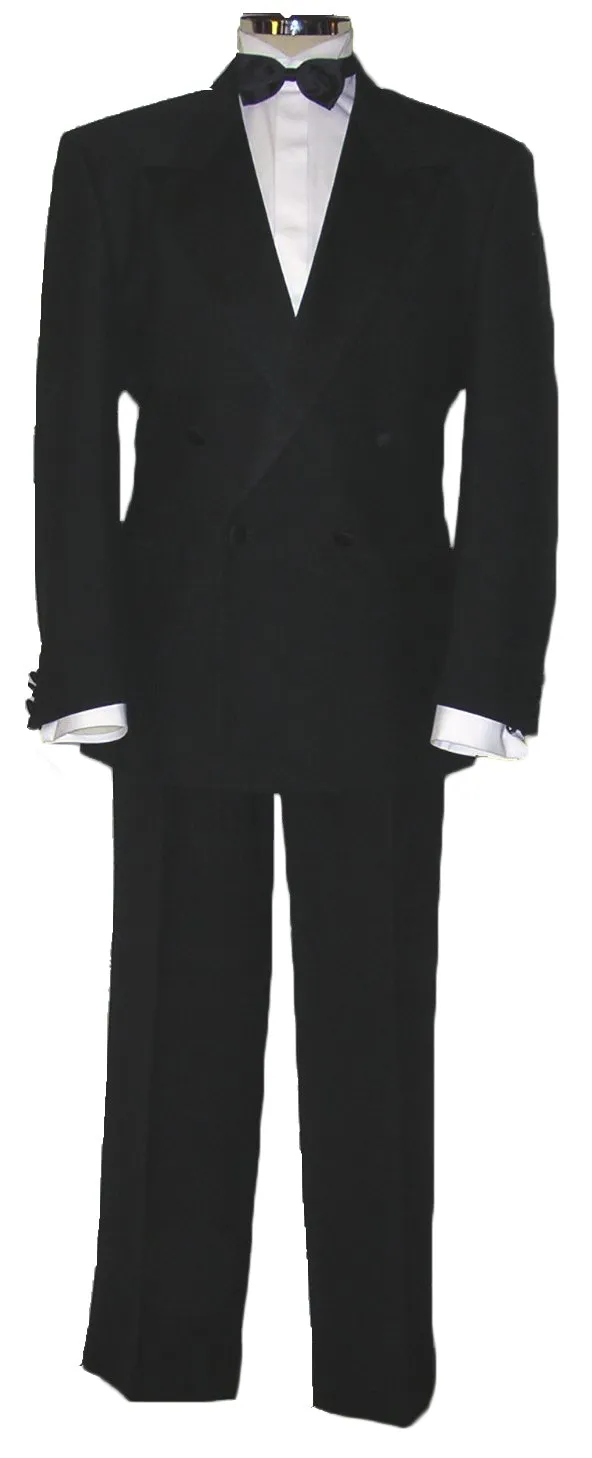
Photo: Incal, CC BY-SA 3.0, via Wikimedia Commons
Most disappointing bookings do not fail because of the companion. They fail because the client chose a person for a setting without thinking about the setting at all. A companion who is superb over a two-hour dinner may be miscast at a black-tie fundraiser, and someone who thrives in a loud club may be exhausted by a four-course meal with strangers. The occasion should come first; the search comes second.
This guide works through the four most common engagements in U.S. cities — the intimate dinner, the casino night, the formal gala, and the club evening — and outlines what to consider in each, from wardrobe and conversation to budgeting and confirmation.
Start With the Room, Not the Search Filter
Before opening a directory, write down five facts: the venue or neighborhood, the start and end times, the dress code, the number of other people who will be present, and the total you are prepared to spend. Those five facts eliminate most mismatches on their own. A companion who lists three cities on her profile is unlikely to be available on a Tuesday in a fourth. A venue with a jacket requirement is not the place to discover that your companion packed casually.
The Intimate Dinner
The weeknight dinner is the most forgiving engagement and the best way to judge compatibility. Two hours, one table, no audience. In Manhattan, Chicago, or Los Angeles, a quiet prix fixe room rewards conversation over spectacle, and a companion who is comfortable with silence is an asset rather than a liability.
Book the table yourself and mention the party size accurately. Choose a restaurant where you have eaten before if possible, since familiarity lets you focus on your guest. Expect to cover the meal, the tip, and transportation without discussion at the table; settle the arrangement beforehand so the evening does not end in arithmetic.
Casino Floors and the Long Evening
A casino night is longer, louder, and more physical than dinner. In Las Vegas, Atlantic City, or a regional resort, hours pass on your feet, and the companion's stamina matters as much as her company. Discuss in advance how much time will be spent at tables versus walking the property, and whether either of you intends to gamble. A companion who is treated as a spectator for four hours will not enjoy the evening, and it will show.
Dress is usually smart casual with an emphasis on smart. Confirm the property's own rules — some floors and restaurants enforce collars or closed shoes. And set a firm end time. Casino evenings expand to fill whatever space is available.
Galas, Fundraisers, and Company Events
A formal gala is the most demanding engagement on this list because it is social rather than private. Your companion will be introduced to colleagues, donors, or family friends, and will be judged by people who matter to you. This is not the occasion to economize on communication.
Send the invitation or event page in advance. State the dress code exactly as printed — black tie, black tie optional, cocktail — and be explicit about what you will wear so the two of you arrive looking coordinated rather than accidental. Brief your companion on who will be present, what you do, and any topic that should be avoided. Expect to cover wardrobe contribution, hair and makeup, transportation, and the full evening's rate; a gala is a five- or six-hour commitment, not a two-hour one.
Seating matters more than clients expect. If you can, request a table where conversation is possible and where your guest will not be stranded with strangers while you work the room.
Clubs and Late Evenings
A club booking is the most casual and the most easily misunderstood. Volume makes conversation nearly impossible, so compatibility is measured in energy and rhythm rather than dialogue. In Miami, Los Angeles, or New York, table minimums often exceed the companion's rate, and it is reasonable to clarify beforehand who covers the table, the drinks, and the ride home.
Choose a venue with a guest list process you understand, and arrive together. A companion who is left waiting at a rope line while you negotiate entry has already had a poor evening.
Wardrobe, Conversation, and Money
Across all four settings, three preparations carry disproportionate weight. First, wardrobe: ask what your companion plans to wear and adjust your own choice to match, rather than issuing instructions. Second, conversation: two or three subjects you can speak about with genuine interest will carry an evening further than any itinerary. Third, budget: agree on the rate, the duration, any wardrobe or travel contribution, and how incidental costs will be handled, all before the day of the booking.
Confirm the Plan in Writing
Send a short message forty-eight hours ahead containing the venue, address, time, dress code, and your expected arrival. Ask for confirmation. This single habit prevents most of the confusion that turns a promising evening into a strained one, and it gives both parties a clear basis for adjusting if plans change.
The right match is not the most striking profile in the directory. It is the companion whose schedule, temperament, and wardrobe fit the room you have chosen — and who knew what the room would be before she said yes.