The Quiet Check-In: Hotel Visitor Policies and Clean Exits for U.S. Companion Appointments in 2026
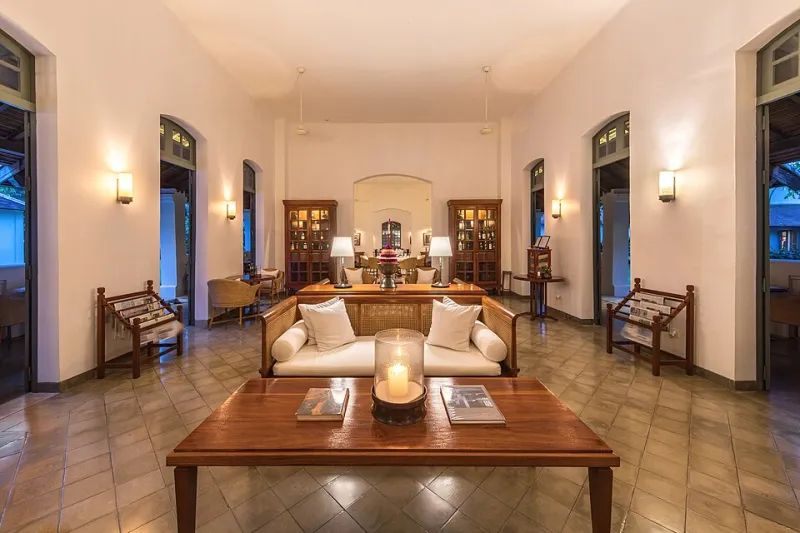
Photo: Basile Morin, CC BY-SA 4.0, via Wikimedia Commons
Hotels occupy a useful middle ground in the U.S. companion market. They are neutral, staffed, and designed for short-term privacy. They also have rules. A smooth hotel appointment depends less on theatrics than on preparation: choosing the right property, asking the right questions, respecting front-desk procedures, and leaving without creating unnecessary attention.
At Top Russian Escort, our nightlife and travel guidance treats discretion as a form of good manners, not deception. The goal is to protect both parties’ privacy while complying with hotel policies and local law. This guide is city-agnostic and applies to business hotels, boutique properties, and airport-adjacent stays across the United States.
Discretion is not the same as deception
A hotel can refuse visitors, require registration, limit elevator access, or enforce occupancy rules. Those policies are the property’s right. Clients should not ask staff to bend rules, invent cover stories, or overlook extra guests. A companion should not be asked to use a false name or sneak through service corridors. Real discretion means low noise, clear communication, and a departure that does not burden hotel employees or other guests.
Choosing a property with the right conditions
Hotel selection begins before booking. A property with a busy lobby, a separate entrance, key-controlled elevators, and a professional front desk often offers more privacy than a small inn where every arrival is noticed. Mid-scale business hotels and larger full-service properties frequently have clearer visitor procedures because they handle guests coming and going throughout the day.
Consider practical details: parking or rideshare drop-off that does not block the entrance, a lobby with seating where a guest can wait briefly, elevators that require a room key, and quiet corridors. Avoid properties with paper-thin walls, conspicuous room-door cameras, or a front desk positioned directly beside the only elevator. None of these details guarantees privacy, but they reduce friction.
Also consider billing. A hotel that posts incidental charges promptly and provides an itemized receipt is easier to manage than one with murky resort fees or aggressive minibar sensors. Ask about the incidental hold before check-in so there are no surprises at checkout.
Asking visitor-policy questions discreetly
Clients do not need to announce the nature of an appointment. They do need accurate information. Call or use the hotel’s chat before arrival, or ask at check-in in a normal tone. A straightforward question is less conspicuous than a whispered story.
Useful questions include: ‘I may have a guest join me for a short visit. What is your visitor policy? Do guests need to register at the front desk or show identification? Is there a cutoff time for visitors? Are there any visitor fees? Do elevators require a room key?’ If the answer is restrictive, accept it. Choose a different property or plan a public meeting instead.
Avoid asking the front desk to ‘not notice’ a visitor. That puts staff in an awkward position and may violate policy. If a property requires guest registration, follow it. If it prohibits visitors entirely, do not treat the rule as a negotiation.
Check-in, identification, and billing pitfalls
Book the room in your own legal name and use a payment method that matches your identification. Hotels increasingly verify IDs at check-in, and mismatched details can delay or cancel a reservation. Do not use an alias, a stolen loyalty account, or a company card that you are not authorized to use for personal charges.
If the companion’s name is not on the reservation, do not add it unless the property’s visitor policy requires registration and the companion agrees. Never present a companion’s identification to hotel staff without consent. Do not leave identity documents, bank cards, or booking confirmations in the lobby or business center.
Billing deserves separate attention. Confirm the incidental hold amount and whether it is released at checkout. Keep minibar, parking, and room-service charges separate from any agreed appointment terms. If the companion purchases something on the room account, settle it before departure rather than leaving disputed charges behind. Request an itemized receipt at checkout and review it before leaving the property.
Lobby and elevator etiquette
A brief, calm meeting in the lobby is often more discreet than a dramatic entrance. Keep voices low, avoid prolonged loitering, and do not photograph the lobby, front desk, or other guests. If the companion is waiting, choose a seat away from the main desk but within public view. A simple greeting is enough.
On the elevator, respect key-card controls and occupancy limits. Do not hold doors open unnecessarily or crowd other guests. If the property requires guests to be escorted, follow that rule. Avoid discussing private arrangements in common areas, and do not share the room number in a public chat or social media post. Send it through a private message only after the booking is confirmed.
Inside the room, keep noise at a normal level, respect smoking and pet policies, and observe occupancy limits. Discretion includes not propping the door open, not lingering in the hallway, and not ordering excessive room service that draws attention. If either party feels uncomfortable, the appointment should end calmly and safely.
A calm departure checklist
A clean exit protects both parties. Before leaving, check the room for phones, keys, wallets, and personal items. Confirm that the companion has their belongings and a safe ride. Settle any incidental charges at the front desk or through the agreed method, and keep the receipt. If the companion is leaving first, allow a few minutes rather than walking out in a conspicuous group.
After departure, send a brief confirmation message that the appointment has ended and any agreed terms are settled. Do not post location details, room numbers, or photographs. If a dispute arises, handle it privately and in writing rather than in the lobby. If hotel staff raise a concern, answer simply and truthfully, and avoid inventing explanations that create more problems.
The bottom line
A hotel appointment in 2026 should be uneventful by design. Choose a property with clear visitor policies, ask direct questions before arrival, follow identification and billing rules, keep common areas calm, and leave without drama. Discretion is not about outsmarting the front desk. It is about preparation, courtesy, and a clean exit that respects the hotel, the companion, and the client alike.