Frost, Footwear, and First Impressions: Winter Appointment Logistics for Russian-Speaking Companions in 2026
Winter changes the arithmetic of an appointment. A booking that would be straightforward in October becomes a sequence of small decisions about time, clothing, and shelter. For U.S. clients meeting Russian-speaking companions in cold-weather cities, the difference between a polished evening and a frazzled one often comes down to preparation made hours earlier. This guide addresses the seasonal logistics that affect scheduling, wardrobe, meeting points, and clean exits, with attention to the practical realities of New York, Chicago, and Boston.
The Forecast as a Scheduling Partner
A winter appointment should begin with a weather check, not a wardrobe check. Snow, sleet, and sudden temperature drops can compress available time and reshape the best-laid plans. Clients should build a buffer of at least thirty minutes into any cold-weather booking, particularly when the meeting point requires crossing boroughs or navigating a city center during rush hour. In Chicago, lake-effect snow can turn a twenty-minute drive into an hour; in Boston, narrow streets and reduced parking make even short distances unpredictable. New York offers more transit options, but winter storm advisories can slow subways and surge rideshare prices simultaneously.
It is equally important to communicate contingency plans in advance. A brief message noting that weather may affect arrival time, and proposing a secondary meeting point if needed, demonstrates consideration without creating alarm. Russian-speaking companions who work in winter cities understand these variables; what they cannot plan around is silence. Confirm the appointment the morning of the booking and again before departure, keeping messages concise and specific.
Transport Buffers and Public Meeting Points
Public meeting points in winter should be chosen for shelter, not scenery. A hotel lobby with a seating area, a restaurant vestibule, or a café near the entrance offers warmth and visibility without requiring either party to wait on an exposed sidewalk. Avoid meeting at open plazas, park entrances, or street corners where wind and snow make waiting uncomfortable and conspicuous. In New York, hotel bars along Central Park South or in Midtown provide reliable shelter; in Chicago, the pedestrian concourses of the Loop offer indoor connectivity; in Boston, the Back Bay hotel lounges serve a similar purpose.
Transport planning should account for surge pricing and reduced availability. Rideshare apps often show longer wait times during snow emergencies, and street-hailing becomes difficult when sidewalks are icy. Clients who drive should confirm parking arrangements in advance and allow time for garage queues. Those using transit should check service advisories for delays or reroutes. A companion who arrives cold and rushed is less likely to enjoy the appointment, and the client who caused the delay rarely recovers the evening's tone.
Wardrobe Expectations and the Coat-Check Question
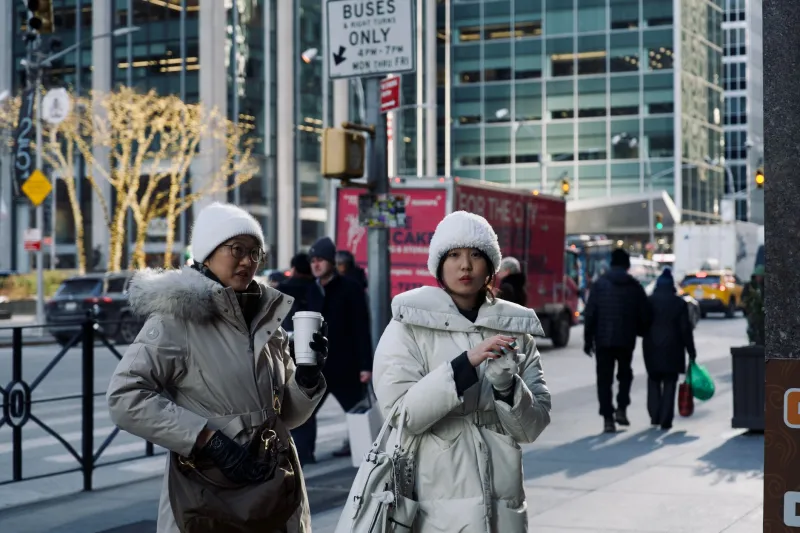
Winter wardrobe for a companion appointment should balance warmth with the venue's atmosphere. A heavy parka may be necessary for the street but awkward at a formal restaurant. The practical solution is layering: a tailored coat over a lighter outfit, with gloves and a scarf that can be removed at the door. Clients should not expect a companion to arrive underdressed for the weather; if the venue is formal, the coat check becomes part of the experience rather than an inconvenience.
Coat-check etiquette is straightforward but often overlooked. Clients should offer to handle the coat-check transaction, including the tip, without making a display of it. Keep the ticket in a secure pocket rather than handing it to the companion, who may not wish to carry it. If the venue lacks a coat check, request a nearby hook or a chair-back drape rather than leaving outerwear on a banquette. In smaller venues, a brief word with the host about where to place coats can prevent awkwardness later.
For companions, footwear deserves particular attention. Salt-stained pavements and icy curbs can ruin a pair of shoes and, more importantly, create safety risks. Clients can help by choosing venues with short outdoor transitions—hotel restaurants, attached bars, or buildings with covered entrances—and by confirming that the meeting point does not require a long walk from the drop-off.
Warm Venues and the Shape of the Evening
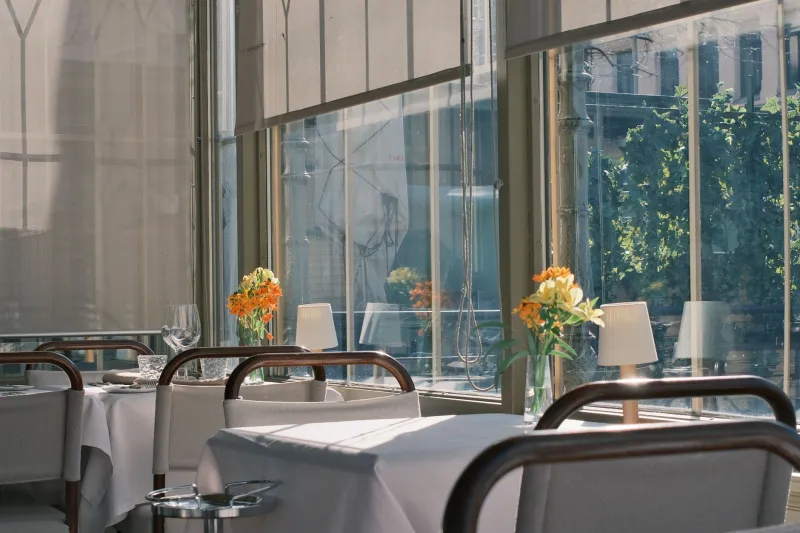
Cold-weather appointments benefit from venues that offer warmth without stuffiness. A hotel bar with soft lighting and attentive service, a restaurant with a working fireplace, or a lounge with plush seating can set a convivial tone while keeping everyone comfortable. Avoid venues with poor heating or drafty entrances; a companion who spends the evening shivering is unlikely to remember the appointment fondly. In New York, the bar at a Midtown hotel or a West Village bistro works well; Chicago's Gold Coast and River North neighborhoods offer numerous warm, discreet options; Boston's Beacon Hill and Seaport districts provide comparable choices.
Timing matters as well. A winter evening darkens early, and a 6 p.m. meeting may feel like midnight. Consider starting with a drink rather than a full meal, allowing the evening to unfold at a comfortable pace. If the plan includes a show or event, confirm that the venue has a coat check and that the walk between car and door is short. A little research into the venue's winter logistics can prevent a great deal of discomfort.
Arrivals, Departures, and Clean Exits
Discreet arrivals in winter require extra attention. A companion arriving alone should not be left waiting on a snowy street while the client finishes a drink inside. Arrange to meet in the lobby or at the host stand, and arrive a few minutes early. If the client is running late, a quick message with a new ETA is better than silence. On departure, the same principle applies: confirm that the companion has a safe way home, particularly late at night when temperatures drop and rideshare availability may be limited.
Clean exits are easier when the coat check is handled efficiently. Retrieve coats promptly, settle any check fees, and avoid lingering in the vestibule. If the companion's transport has not arrived, wait inside the venue rather than on the sidewalk. In cities like Chicago and Boston, where winter nights can be brutally cold, this small courtesy matters.
A Final Checklist for Cold-Weather Bookings
Before the appointment, confirm the weather forecast and adjust timing accordingly. Choose a meeting point with indoor shelter and a short outdoor transition. Plan transport with a buffer and a backup option. Layer clothing and prepare for coat check. Arrive early, communicate delays, and ensure a safe departure. These steps do not guarantee a perfect evening, but they remove the most common winter obstacles. For clients navigating the Russian-speaking companion directory, seasonal preparation is part of the same respectful framework that governs verification, communication, and discretion throughout the year.